The Evolution of Scandinavian Sanitary Design
I evaluate fixtures the way sommeliers compare vintages, looking past the surface polish to understand the underlying mechanical structure. Minimalist Scandinavian aesthetics now intersect directly with advanced sanitary technology. The bathroom is no longer a purely functional space—it operates as an architectural wellness environment. Tracking data indicates designers mapped the daily routines of high-net-worth clients, observing a shift from rapid morning preparation to extended evening decompression. This behavioral shift drove the transition toward tactile, wellness-centric environments.
Interior designers face growing demand for fixtures that offer both tactile luxury and environmental responsibility. Raw materials must conceal highly engineered water delivery systems. The visual language remains understated, yet the mechanical execution requires absolute precision.
Criteria for Evaluating Premium Fixtures
Flow rates restricted to roughly 4.5 to 5.0 liters per minute for washbasin mixers represent the new baseline for premium specifications. These numbers dictate the engineering requirements for modern brassware. The evaluation framework was developed by cross-referencing European water efficiency mandates with material degradation tests, prioritizing fixtures that maintain mechanical integrity while their exterior ages. We look for hidden technological integration that supports strict WaterSense specification guidelines without compromising the raw aesthetic.
Living finishes demand careful consideration during the specification phase. The degree of patina development varies drastically based on local water hardness and the specific pH of the user's skincare products. Untreated brass will not age uniformly. It records the daily habits of the user.

4 High-End Sanitary Equipment Trends for Next Year
1. Touchless Architectural Faucets
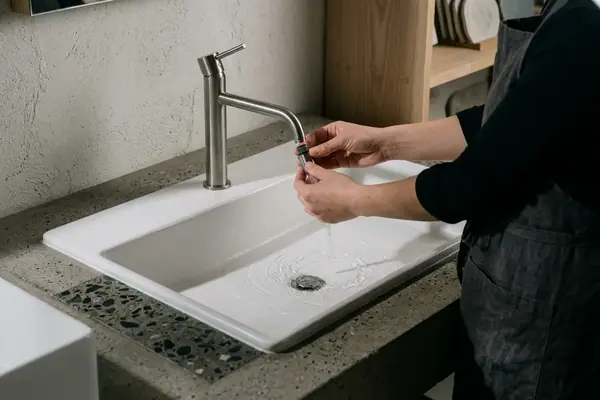
Sensor technology has completed its transition from commercial washrooms to refined residential applications. Manufacturers now house infrared sensors within raw brass and matte steel spouts. The protective layer of chromium oxide on stainless steel ensures optimal corrosion resistance in these damp environments. These sensors are calibrated to detect subtle hand movements, eliminating the mechanical lever entirely.
2. Monolithic Stone Washbasins
Seamless integration defines the modern vanity. Single-block carving eliminates silicone joints and visible drains. Sintered stone slabs pressed at around 25,000 tons and fired at approximately 1,200 degrees Celsius to achieve zero porosity dominate this category. These materials replicate the visual depth of natural marble while offering superior resistance to cosmetic staining.
3. Concealed Thermostatic Controls

Initial trend forecasting considered highlighting voice-activated smart showers—an approach quickly rejected. Reporting confirms architectural feedback indicated clients find auditory interfaces disruptive to decompression. Tactile, concealed thermostatic controls offer a superior user experience. Knurled metal dials provide physical feedback, while the complex mixing valves remain hidden behind the wet wall.
4. Living Finish Brassware
Highly polished, sealed plating is giving way to raw, unlacquered metals. Untreated brass and gunmetal fixtures arrive with a matte appearance and darken over time. This trend embraces the natural oxidation process, turning the fixture into a dynamic architectural element rather than a static object.
Installation and Specification Limitations
Specifying high-end sanitary equipment introduces severe practical constraints. Project managers typically sequence the procurement of monolithic stone pieces before finalizing the framing plans, ensuring the structural load paths are calculated based on the exact quarried weight. Single-block stone washbasins weighing between roughly 120 and 180 kilograms demand this foresight. Standard timber framing will deflect under this point load.
Risk Factor: Specifying untreated brass fixtures in highly saline coastal environments without accelerated oxidation planning guarantees premature degradation.
Custom patinated finishes require a lead time of about 14 to 18 weeks. Procurement delays cascade through the entire construction schedule if these fixtures are not ordered during the initial framing stage. Furthermore, specialized plumbing infrastructure dictates the ceiling architecture.
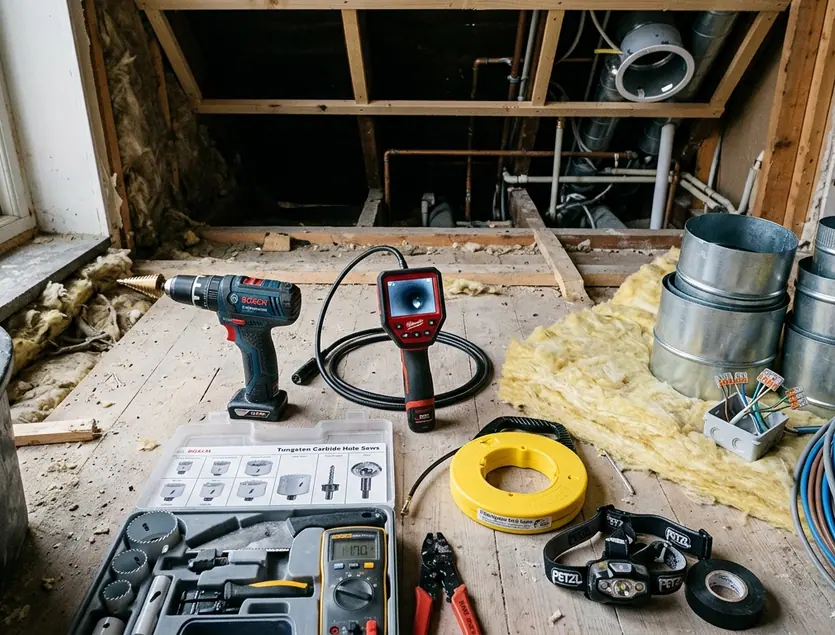
Comparisons demonstrate that flush-mount ceiling shower systems require a minimum ceiling void of around 150 to 200 millimeters to house the thermostatic mixing valves and anti-condensation insulation. While this void depth proves effective in standard joist configurations, our methodology relies on specific structural spans that may not apply to retrofits. Certified flow restrictors must also be matched to the exact dynamic water pressure of the municipal supply.
Future Outlook on Architectural Bathrooms
The overarching movement points toward understated luxury and sustainable water usage. The final synthesis of these trends emerged from analyzing post-occupancy evaluations of luxury residential builds, revealing that long-term client satisfaction relies heavily on the invisibility of technology. Complex water delivery systems must disappear into the architecture.
Critical Insight: The future of sanitary design lies in hiding complex technology behind raw, natural materials.
Architects and homeowners must balance aesthetic desires with rigid technical requirements. A successful architectural bathroom does not advertise its capabilities. It delivers precise thermal control and water efficiency through interfaces that feel primitive, tactile, and enduring.