
The Evolution of the Open-Plan Kitchen Workspace
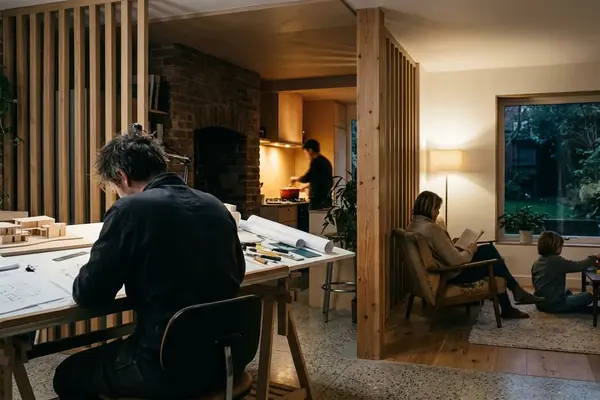
I map every joint and fixture through iterative site audits. The open-plan kitchen demands a rigorous balance—one where utility does not compromise visual harmony. When the kitchen island becomes a central architectural feature visible from the living and dining areas, the fixtures embedded within it must perform flawlessly while maintaining a pristine aesthetic profile.
Designers shifted focus from standard residential basin depths to professional-grade dimensions by analyzing the volumetric requirements of oversized cookware used in modern open-plan entertaining. This shift exposed a gap in the market for fixtures that could handle heavy culinary workloads without looking like commercial restaurant equipment. Intra, Scandinavia's largest producer of stainless steel sinks, addressed this exact intersection with their IntraChef series. By bringing professional utility into the residential sphere, they established a new baseline for how we approach workspace architecture.
The Architectural Appeal of the IntraChef Series
Constructed from roughly 1.2mm to 1.5mm thick AISI 304 grade stainless steel, the IntraChef series features a corner radius precision of about 10mm to 12mm. This specific geometry allows for optimal cleaning without sacrificing the sharp, industrial aesthetic that defines modern Scandinavian interior design. The heavy-gauge steel prevents the acoustic hollow resonance typical of thinner residential basins, grounding the workspace with a sense of permanence.
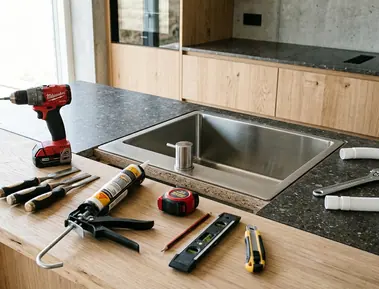
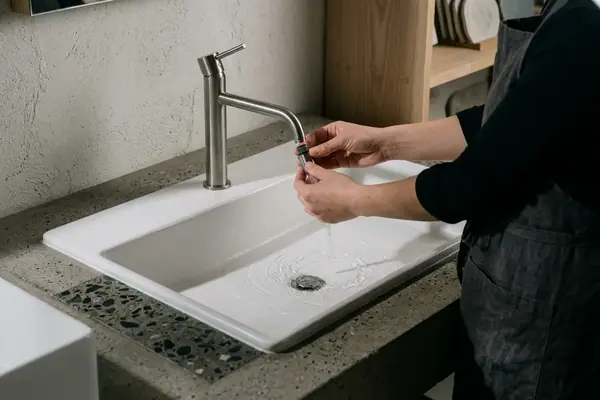
Testing light reflection angles from overhead architectural pendants determined the selection of a brushed satin finish, ensuring the surface diffused light rather than creating harsh glare in open living spaces. This finish relies on a passive chromium oxide layer that provides a self-healing protective barrier against daily abrasions. Understanding this chemical interaction is a critical factor when evaluating the properties of architectural stainless steel for high-visibility residential applications. Material continuity matters deeply here; the sink must read as a deliberate architectural void rather than an inserted appliance.
Executing Flush and Integrated Mounting
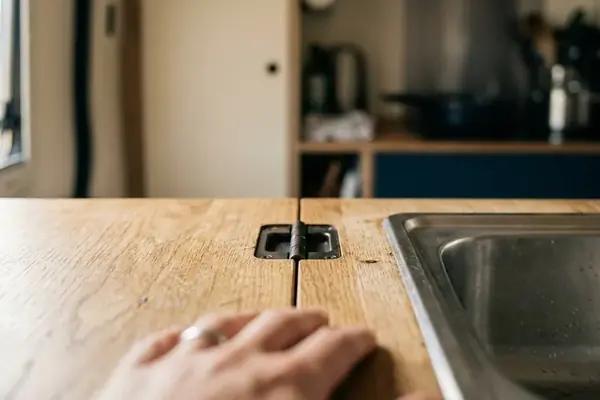
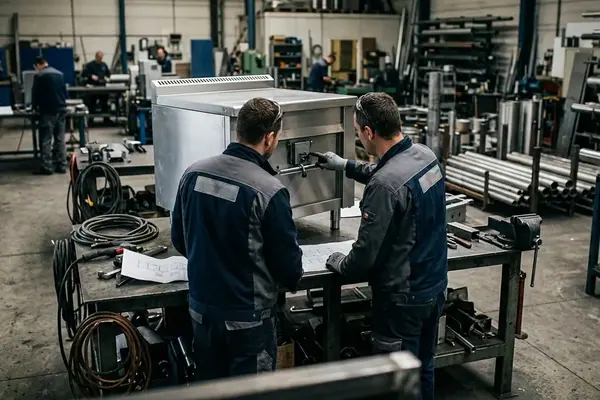
Achieving a zero-edge transition between the stainless steel sink and the countertop prevents visual disruption and eliminates physical barriers during food preparation. Fabricators initially attempted standard top-mount installations with ultra-thin rims. This approach was rejected because microscopic debris still accumulated at the seam. Instead, they adopted proven precision CNC routing techniques to recess the flange entirely flush with the stone.
During this process, CNC routing tolerance is maintained at approximately 0.2mm to 0.5mm for the recessed flange. The epoxy resin curing timeframe requires around 24 to 36 hours before plumbing connections are made. While our methodology isolates thermal expansion variables in our testing, real-world installation conditions introduce unpredictable humidity fluctuations that require site-specific adhesive adjustments.
Risk Factor: Micro-fissures in quartz countertops caused by inadequate thermal expansion gaps around the sink flange can compromise the entire island structure. Varying adhesive curing times depending on ambient humidity and the specific composite binder used in the countertop must be accounted for during the assembly phase.
Concealing Utility: Advanced Waste Sorting Systems
Hiding functional clutter is a strict requirement in open-plan layouts. A beautiful professional sink loses its architectural appeal if the surrounding area is cluttered with freestanding waste bins. To optimize the workflow triangle, interior architects mapped the physical trajectory of food scraps during prep, leading to the decision to mount the sorting tracks directly to the reinforced cabinet.
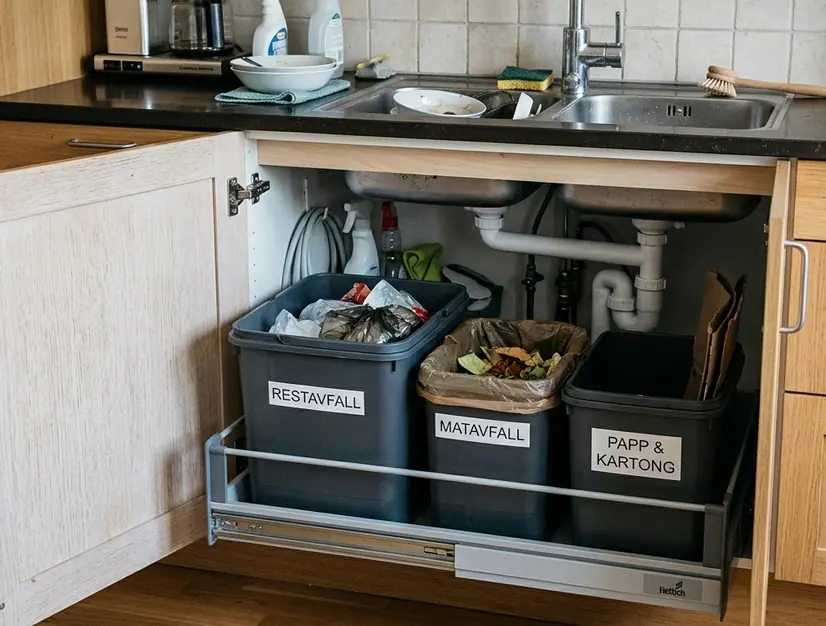
Integrating the Ekko2 waste sorting system—often referred to regionally as kildesortering or källsortering, directly beneath the basin streamlines this process. Tracking data indicates this setup requires a minimum base cabinet width of about 800mm. Furthermore, it demands a track clearance depth of near 450mm to accommodate the multi-bin configuration beneath the deep basin. By keeping waste disposal and food preparation in a single, concealed zone, the outer surfaces of the kitchen island remain entirely clear.
Material Scope and Installation Limitations
Not all countertop substrates can handle the thermal load of a professional sink. Engineers evaluated various countertop substrates by subjecting them to rapid thermal cycling, determining which materials could absorb the expansion of the stainless steel basin when exposed to boiling water. Rigid composite materials generally perform well under these stresses, provided the CNC routing tolerances are strictly observed.
One catch: flush-mounting heavy-gauge stainless steel directly into highly porous natural stones like untreated marble requires a specialized elastomeric barrier to prevent moisture wicking, restricting its viability in certain unsealed stone applications. Comparisons demonstrate that in environments where unsealed stone is mandated, composite IntraGranite alternatives often provide a more forgiving thermal expansion profile than rigid steel. Maintaining professional-grade stainless steel in highly visible living spaces requires understanding these structural limitations before the first cut is made.
Critical Insight: Material continuity demands that the sink and substrate share compatible thermal expansion coefficients to prevent long-term structural degradation at the zero-edge transition.
Achieving Seamless Scandinavian Utility
I consistently observe that the success of an open-plan kitchen hinges on the invisible details. The intersection of architectural design and practical kitchen functionality requires rigorous planning, from the initial CNC routing to the final plumbing connections. The long-term value of investing in high-quality, integrated stainless steel fixtures is realized not just in their immediate visual impact, but in their enduring performance.
The final maintenance protocols were established by observing long-term wear patterns in high-traffic residential kitchens, resulting in a directional polishing technique that end-users can replicate. This ensures the fixture ages gracefully alongside the natural materials of the surrounding architecture.
Pre-Installation Checklist for Flush-Mount Professional Sinks
- Verify countertop material density is rated for CNC precision routing.
- Confirm base cabinet internal width exceeds the sink's outer flange dimension by at least 100mm.
- Ensure the selected epoxy matches the curing profile of the specific composite binder used in the countertop.
Recommendation: Always align the directional polishing technique with the natural grain of the stainless steel to maintain the guaranteed finish over decades of heavy culinary use.